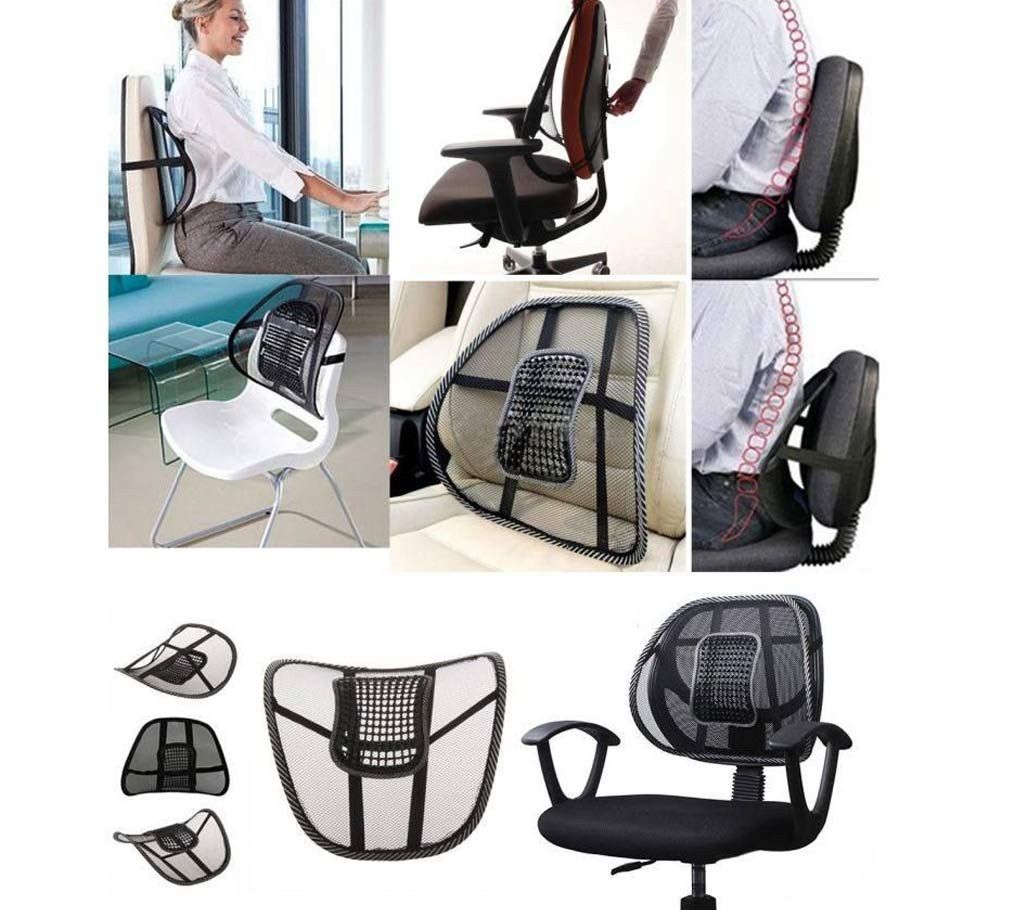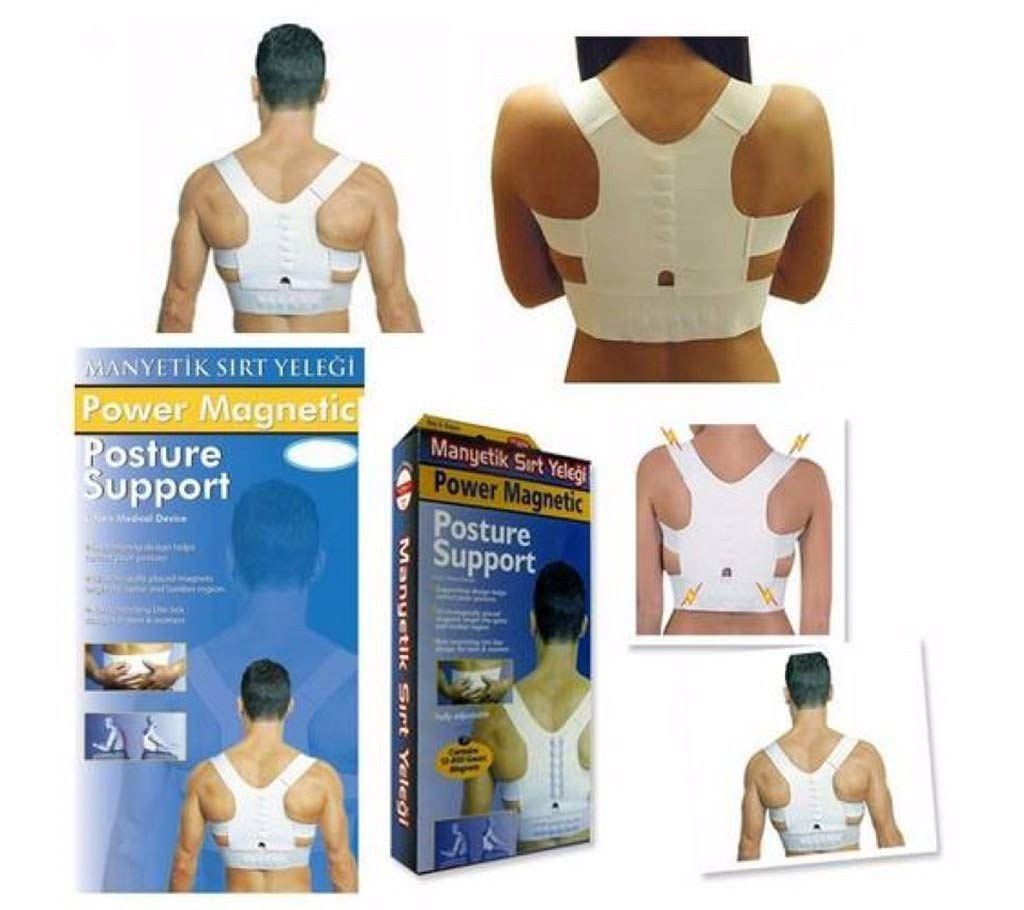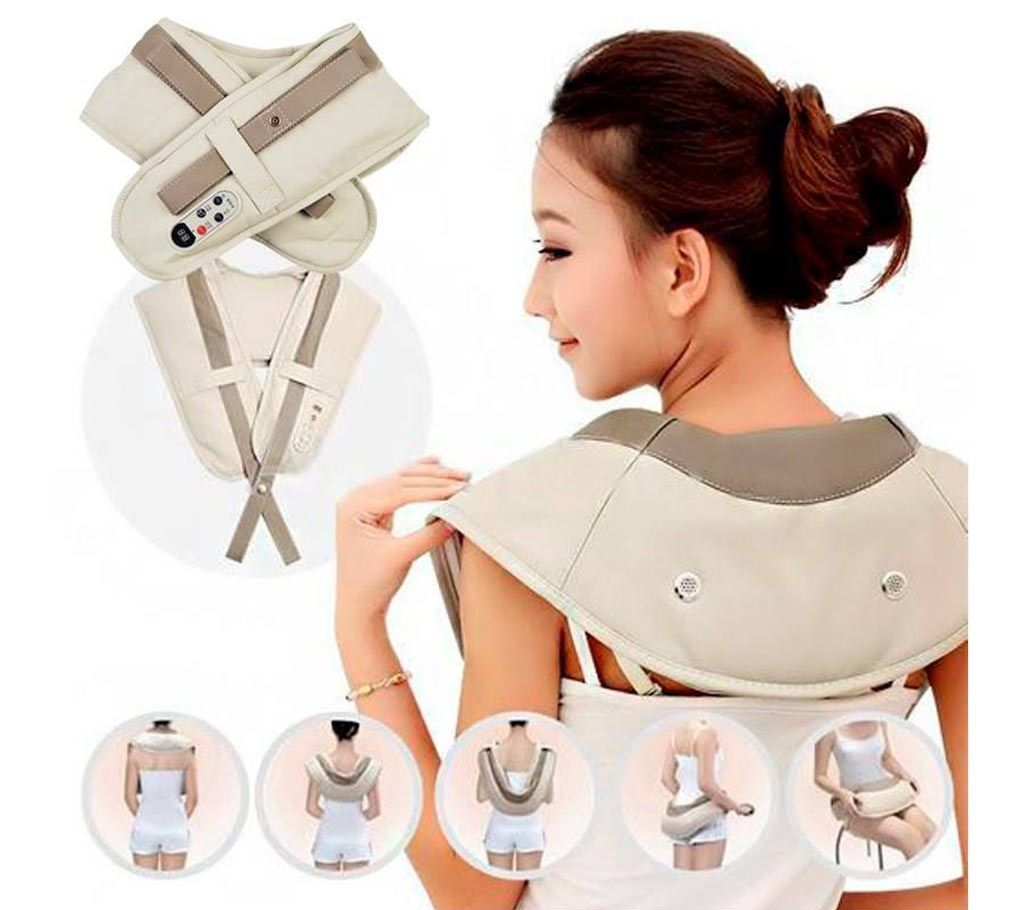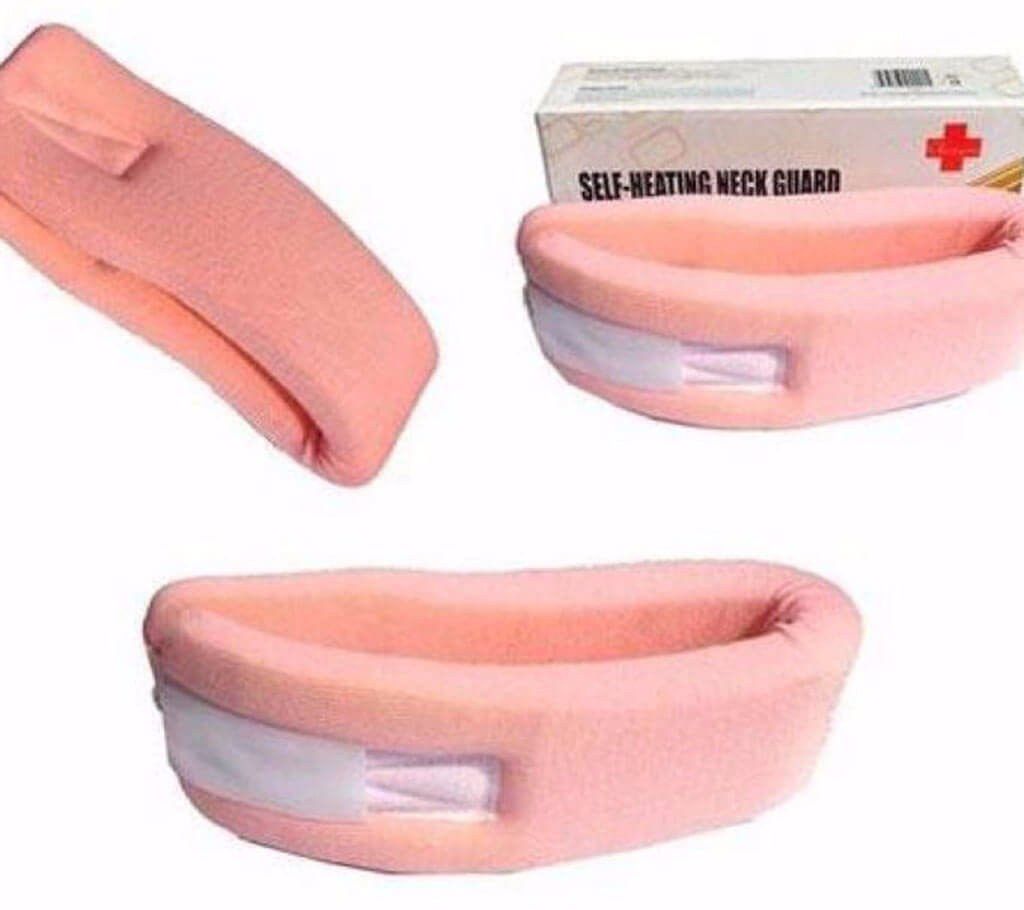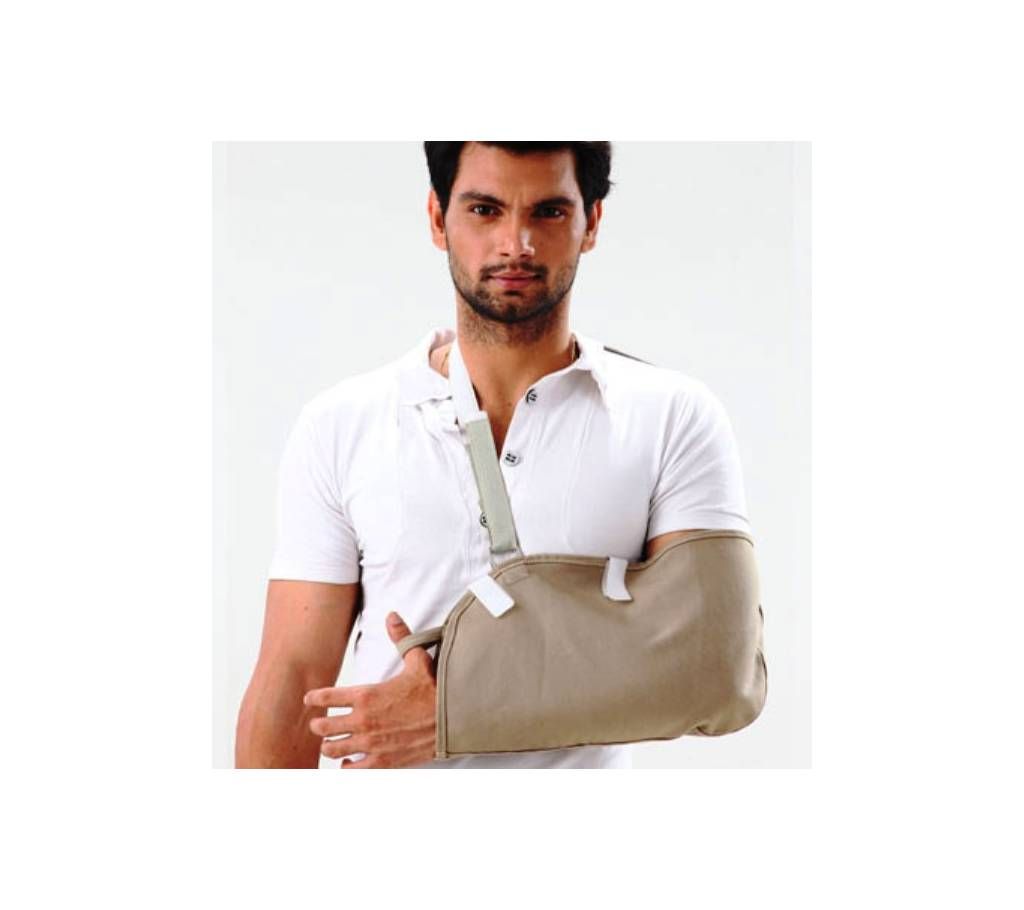
Arm Silling
আর্ম সিলিং
ArmlSupp-orts - by“
Arm Pain
Minor arm injuries are common. Symptoms often develop from everyday wear and tear,
overuse, oran injury. Arm injuries are often caused by:
—Sports orhobbies.
—Work—related tasks.
-Workorprojectsaroundthe home.
Your child may injure his or her arm during sports or play orfrom accidental falls. The
chance of having an injury is higher in contact sports (such as wrestling, football, or
soccer) and in high-speed sports (such as biking, in—line skating, skiing, snowboarding,
hockey, and skateboarding). Forearms, wrists, hands, and fingers are injured most often. An injury to the end of a long bone near a joint
may harm the growth plate and needs to be checked by a doctor.
Older adults have a greater chance for injuries and broken bones because they lose muscle mass and bone strength (osteoporosis) as
they age. Older adults also have more problems with vision and balance, which increases their chances of having an accidental
injuryMost minor injuries will heal on their own, and home treatment is usually all that is needed to relieve symptoms and promote
healing.
Acute injuries come on suddenly and may be caused by a direct blow, a penetrating injury, or a fall orfrom twisting, jerking, jamming, or
bending a limb abnormally. Pain may be sudden and severe. Bruising and swelling may develop soon after the injury. Acute injuries
usually require prompt medical evaluation and may include:
o Bruises (contusions), which occurwhen small blood vessels underthe skin tear or rupture, often from a twist, bump, orfall.
o lnjuriesto thetough, ropeyfibres (ligaments) that connect boneto bone and help stabilizejoints (sprains).
0 lnjuriesto the tough, ropeyfibresthat connect muscle to bone (tendons).
0 Pulled muscles (strains)
0 Muscle ruptures, such as a biceps ortriceps rupture.
a Broken bones (fractures). A break may occurwhen a bone istwisted, struck directly, or used to brace againsta fall.