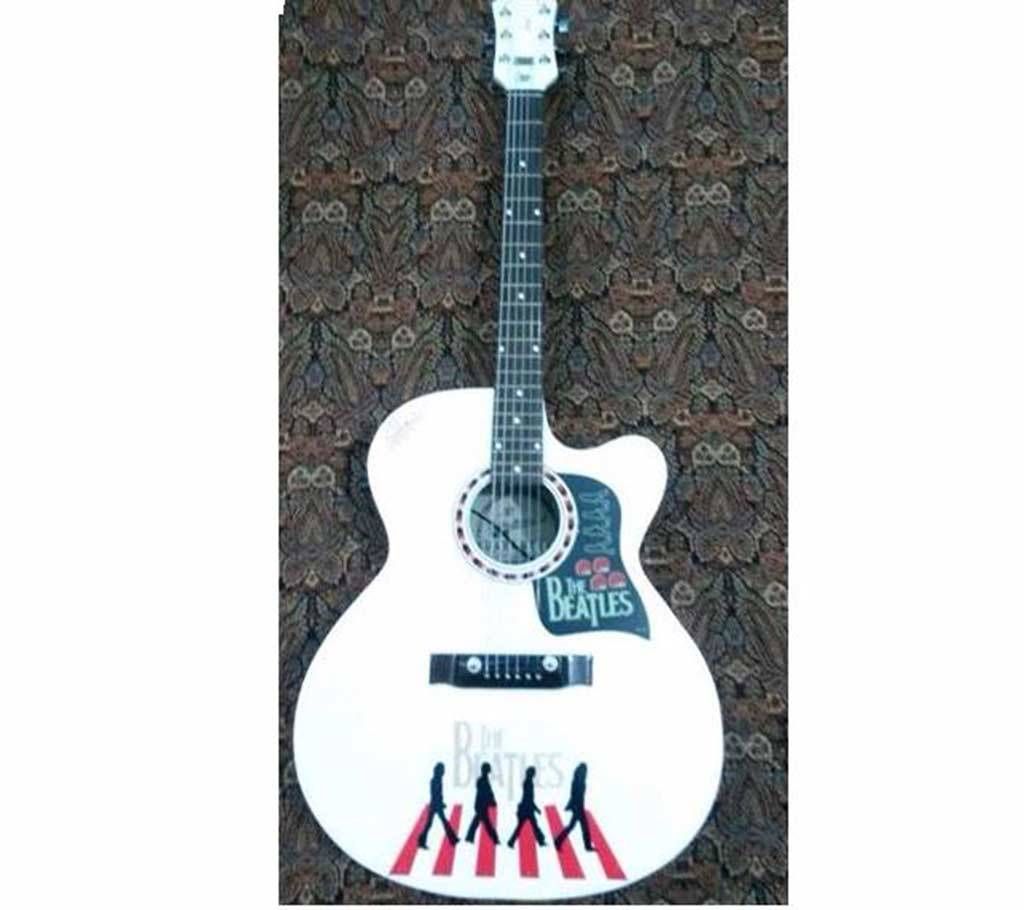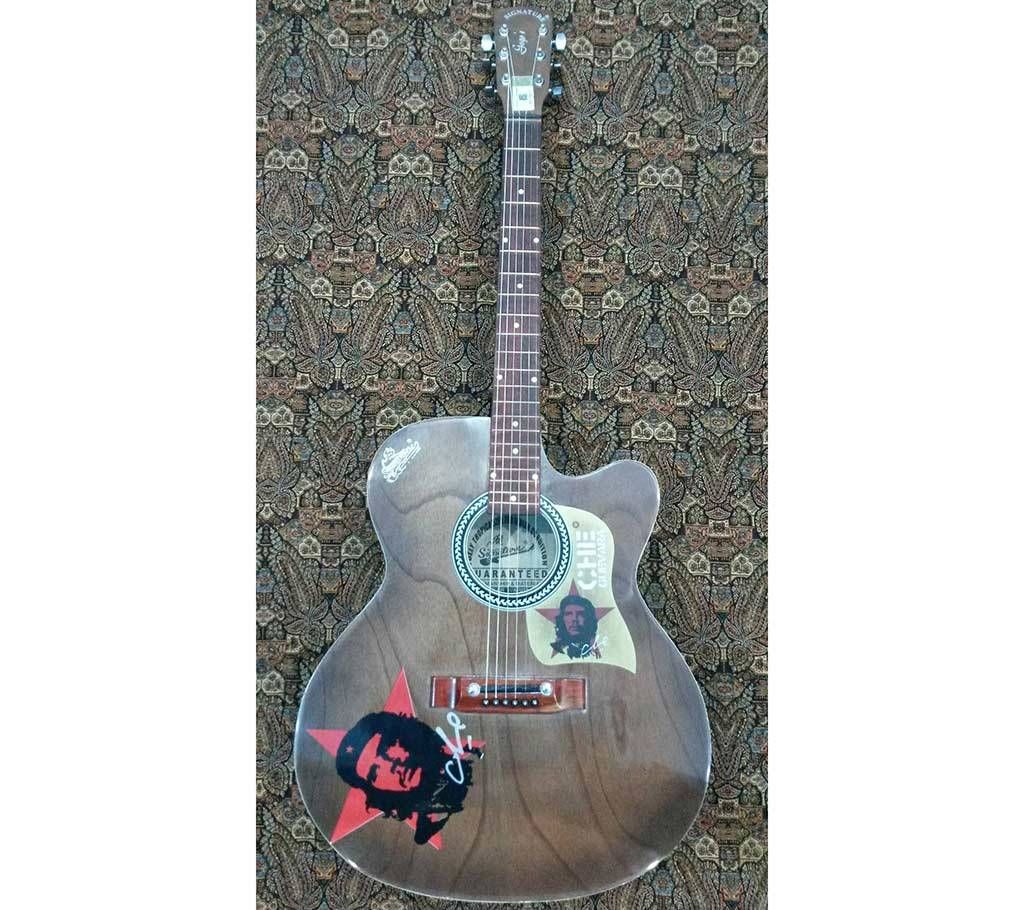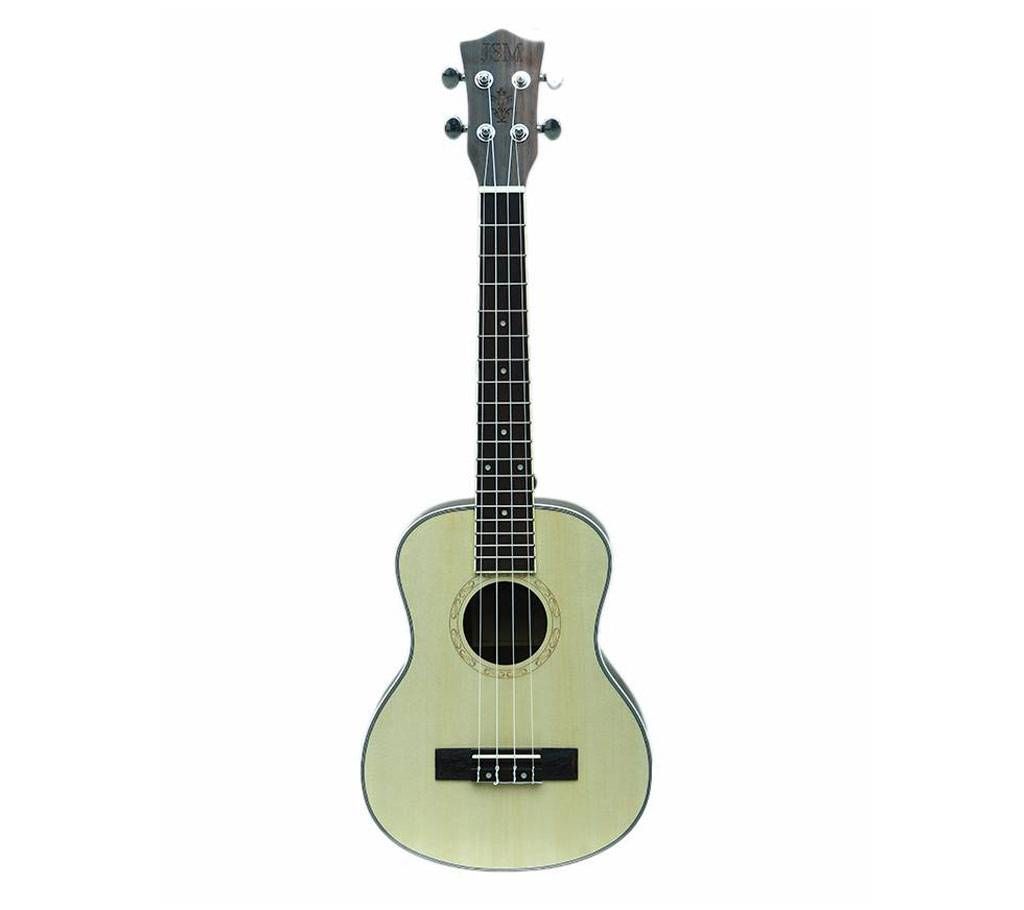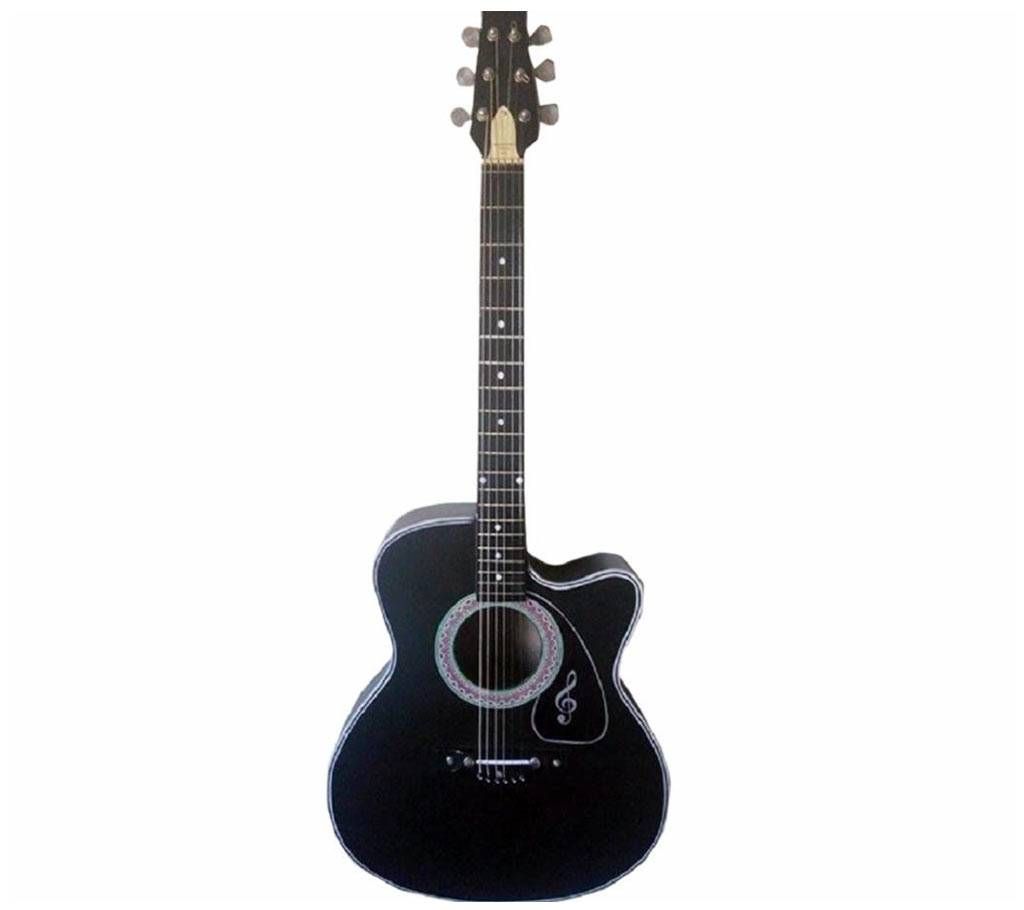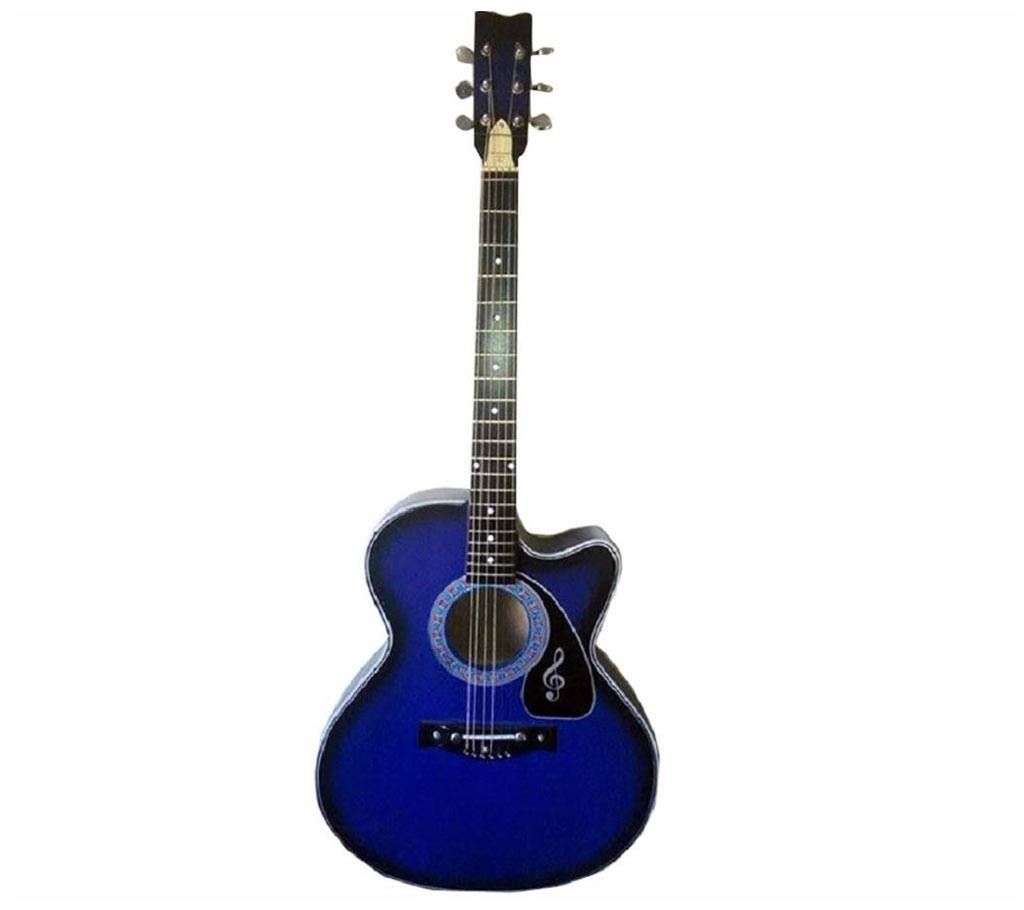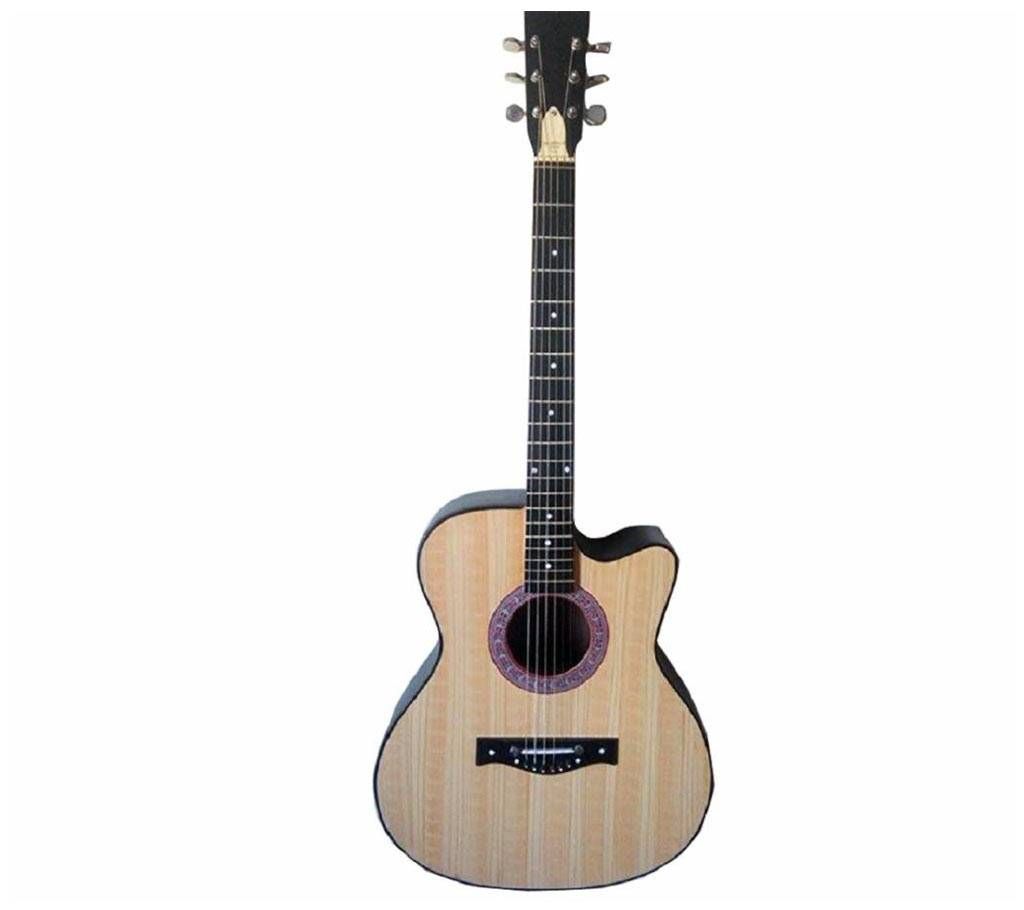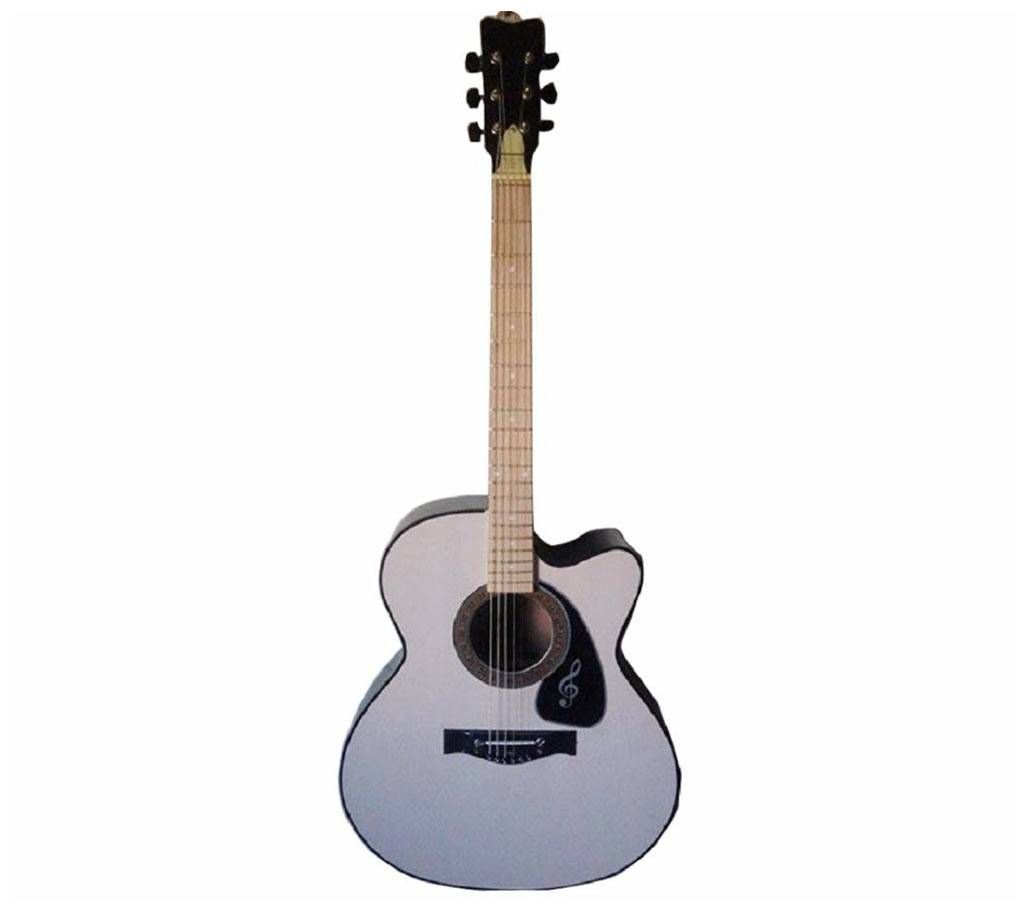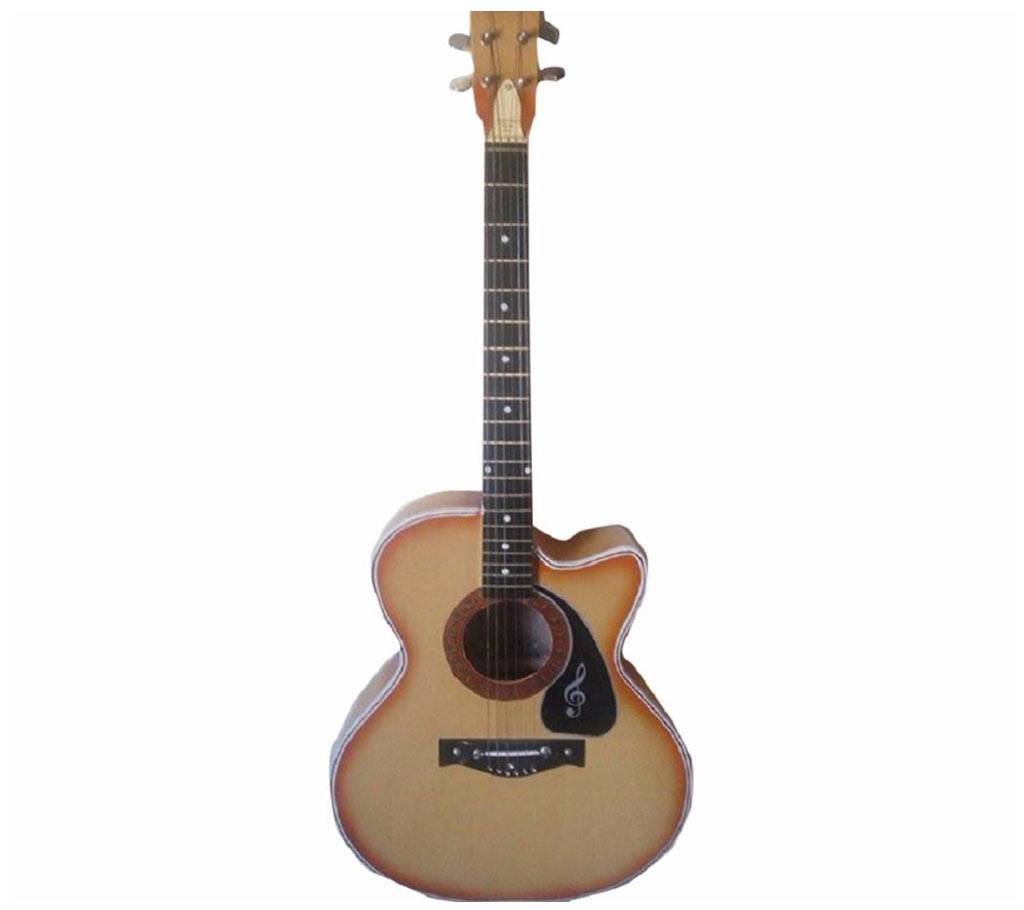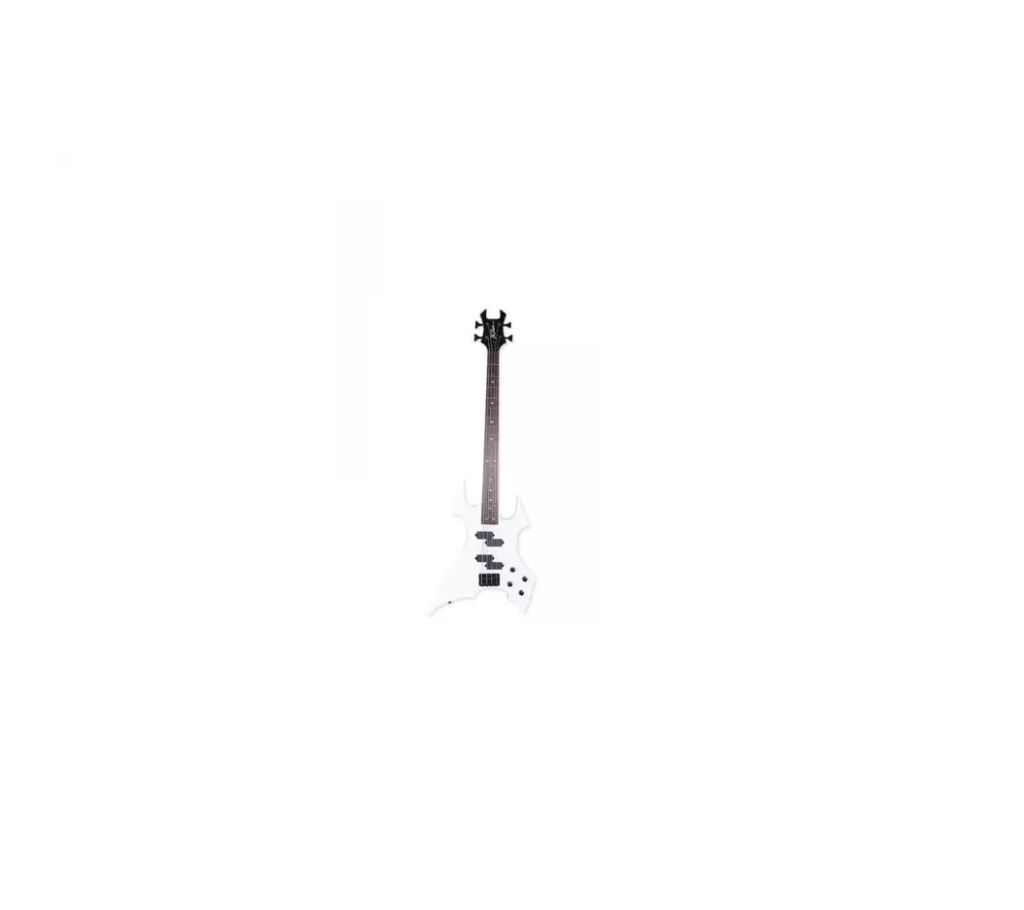
Electric Guitar - White
Product details of Electric Guitar - White
Type: Shape
Back & Sides: Basswood
Neck & Fingerboard: Maple/Rosewood
Pickups: P+J Style Pickup
Controls: 2 x Volume/2 x Tone
Hardware: Chrome
About Electric Guitar
This electric guitar is a fretted stringed instrument with a neck and body that uses a pickup to convert the vibration of its strings into electrical signals. The vibration occurs when a guitarist strums, plucks, fingerpicks, or taps the strings. It is sensed by a pickup, most commonly by a magnetic pickup that uses the principle of direct electromagnetic induction. The signal generated by an electric guitar is too weak to drive a loudspeaker, so it is plugged into a guitar amplifier before being sent to a loudspeaker, which makes a sound loud enough to hear.
Bar: A metal rod attached to the bridge that varies the string tension by tilting the bridge back and forth. Also called the tremolo bar, whammy bar, vibrato bar, and wang bar.
Body: The box that provides an anchor for the neck and bridge and creates the playing surface for the right hand. On an electric, it consists of the housing for the bridge assembly and electronics (pickups as well as tone and volume controls).
Bridge: The metal plate that anchors the strings to the body.
End pin: A metal post where the rear end of the strap connects.
Fingerboard: A flat, plank-like piece of wood that sits atop the neck, where you place your left-hand fingers to produce notes and chords. The fingerboard is also known as the fretboard because the frets are embedded in it.
Frets: Thin metal wires or bars running perpendicular to the strings that shorten the effective vibrating length of a string, enabling it to produce different pitches.Headstock: The section that holds the tuning machines (hardware assembly) and provides a place for the manufacturer to display its logo.
Neck: The long, club-like wooden piece that connects the headstock to the body.
Nut: A grooved sliver of stiff nylon or other synthetic substance tha