
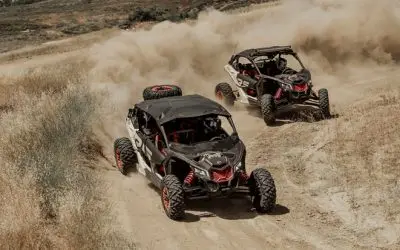
Most visitors to Las Vegas spend their entire trip within a three-mile radius of the Strip, trapped in a cycle of casinos, luxury malls, and overpriced buffets. While the neon lights have their charm, the real identity of Southern Nevada lies in the rugged, silent expanse of the Mojave Desert. For those looking to break the cycle of indoor entertainment, venturing into the backcountry offers a visceral contrast to the city’s artificiality.
However, the desert is an unforgiving environment. Planning a trip into the wilderness requires more than just a rental vehicle; it requires a strategy to avoid the common pitfalls that turn a weekend getaway into a logistical nightmare.
Navigating the Logistics of Desert Terrain
The transition from the paved roads of the city to the sandy washes of the desert is abrupt. One of the biggest mistakes travelers make is underestimating the physical demands of off-roading and the volatility of the climate. To ensure the trip is a success, you need to focus on gear, timing, and safety.
Clothing and Protection
The Mojave Desert is a land of extremes. Even in the shoulder seasons, the sun is relentless. To avoid heat exhaustion or severe burns, dress in layers. Lightweight, long-sleeved breathable fabrics are preferable to t-shirts, as they protect the skin from both UV rays and abrasive brush.
Footwear is equally critical. Open-toed shoes are a liability in the desert; sturdy, closed-toe boots provide the necessary grip for pedals and protection against jagged rocks or cacti if you need to dismount. Additionally, high-quality goggles are non-negotiable to prevent “sand-blindness” caused by the dust kicked up by leading vehicles.
Timing Your Outing
Timing determines whether your trip is an exhilarating adventure or a fight for survival. The peak of summer in Nevada can see temperatures exceed 110°F, making midday excursions dangerous. The ideal windows for exploration are early morning or late afternoon. Not only is the temperature more manageable, but the “golden hour” lighting provides the best photographic opportunities of the red rock formations and distant mountain ranges.
Choosing the Right Experience for Your Group
Not all desert excursions are created equal. Depending on your comfort level and the composition of your group, you will want to select a route and vehicle type that matches your skill level.
Guided vs. Self-Guided Tours
For first-timers, a guided tour is the only logical choice. The desert is a labyrinth of dry creek beds and unmarked trails; it is remarkably easy to lose your bearings. A professional guide provides more than just navigation; they offer insight into the local ecology and ensure you don’t accidentally wander into restricted military zones or fragile protected habitats.
If you are looking for a high-adrenaline way to see the landscape, ATV riding Las Vegas provides the agility needed to navigate tight canyons and sandy dunes that larger vehicles simply cannot access. These machines allow for a more intimate connection with the terrain, letting you pivot quickly and explore hidden vistas.
Managing Group Dynamics
If you are traveling with a corporate group or a large family, the choice of vehicle matters. While single-rider ATVs offer the most freedom, side-by-sides (UTVs) are better for those who want to share the experience in real-time. When coordinating a group, always establish a “lead” and a “sweep” vehicle. The lead sets a pace that the slowest rider can maintain, while the sweep ensures no one is left behind or stalled due to mechanical failure.
Essential Safety and Environmental Etiquette
The desert is a fragile ecosystem. A single vehicle driving off-trail can destroy biological soil crusts that take decades to recover. To be a responsible visitor, follow the “Tread Lightly” principles.
- Stay on Marked Trails: This prevents erosion and protects the wildlife habitats of the Mojave.
- Pack Out All Trash: The wind in the desert carries lightweight plastics for miles; ensure every piece of litter returns to the city with you.
- Hydration Strategy: The dry air wicks moisture from your body before you even feel yourself sweating. Carry double the water you think you need, and incorporate electrolytes to prevent cramping.
By shifting the focus from the casino floor to the open trail, you gain a perspective of Nevada that most tourists never see. The combination of proper preparation, the right equipment, and a respect for the environment transforms a simple outing into a professional-grade adventure.
You may also like
-
Avoid Costly Roadside Breakdowns: A Pre-Trip Maintenance Checklist for Southern Utah Travelers
-
Unforgettable Umrah Packages from Manchester 2026 – Your Spiritual Journey Awaits
-
International Courier in Delhi
-
Best Travel Bags for Long Trips — Tips & Picks
-
How Do Ramadan Umrah Packages Stack Up Against December Offers?