
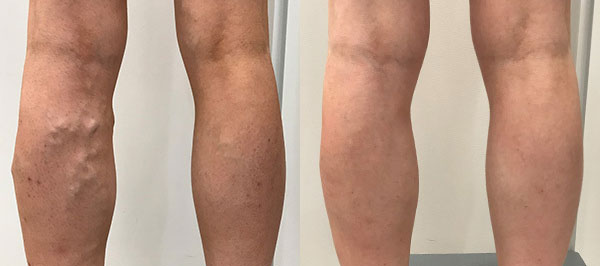
For many professionals who spend their days either standing behind a counter or sitting at a desk for eight hours straight, the end-of-day “heavy leg” feeling is often dismissed as a normal part of aging or a byproduct of a long shift. You might notice a slight swelling around the ankles or a dull ache in the calves that only disappears after you elevate your feet for an hour.
However, these aren’t just signs of fatigue. They are often the primary symptoms of Chronic Venous Insufficiency (CVI), a condition where the valves in the leg veins fail to push blood back up toward the heart, causing fluid to pool in the lower extremities. If left unaddressed, this progression moves from mild discomfort to visible varicose veins, skin discoloration, and in severe cases, venous ulcers.
Recognizing the Shift from Cosmetic to Clinical
There is a common misconception that vein issues are purely aesthetic. While spider veins are often a cosmetic concern, the underlying structural failure of the venous system is a medical one. When the valves in your veins stop functioning correctly, the pressure in the leg increases—a state known as venous hypertension.
You can identify the shift from “tired legs” to a clinical issue by looking for these specific markers:
- Persistent Edema: Swelling in the ankles and calves that worsens throughout the day and improves overnight.
- Skin Changes: A darkening or thickening of the skin around the ankles (hemosiderin staining), which often looks like reddish-brown patches.
- Nighttime Cramping: Frequent “charley horses” or an irresistible urge to move the legs (Restless Leg Syndrome) during sleep.
- Texture Changes: Skin that feels tight, itchy, or excessively dry despite the use of moisturizers.
For residents of the Mountain West, these symptoms can be exacerbated by altitude and climate, making it essential to seek a diagnosis before the condition progresses to a stage where conservative management is no longer effective.
Practical Options for Restoring Leg Circulation
The goal of modern vein treatment is to eliminate the source of the pressure rather than simply masking the symptoms. While compression stockings are a standard recommendation, they are a management tool, not a cure. To actually resolve the issue, the dysfunctional vein must be addressed.
Minimally Invasive Interventions
The medical field has moved away from the invasive “stripping” surgeries of the past. Today, the focus is on outpatient procedures that allow a patient to return to work almost immediately. Endovenous Laser Ablation (EVLA) and Radiofrequency Ablation (RFA) use thermal energy to seal off the damaged vein, forcing the blood to reroute through healthier, functioning veins.
For those dealing with smaller spider veins or superficial reticular veins, sclerotherapy remains the gold standard. This involves injecting a solution that causes the vein to collapse and eventually be absorbed by the body.
Choosing the Right Care Provider
Because vein health intersects with cardiovascular health, it is critical to see a specialist who focuses specifically on the venous system. General practitioners can identify the problem, but a vascular specialist provides the diagnostic ultrasound necessary to map the blood flow and pinpoint exactly where the valve failure is occurring. If you are searching for vein specialists Utah, ensure the clinic utilizes duplex ultrasound technology to create a precise treatment plan based on your specific anatomy.
Long-Term Maintenance for Leg Health
Once a clinical intervention has resolved the damaged veins, the focus shifts to prevention. The venous system is under constant pressure, and habits formed during the workday can either protect or degrade your vascular health.
Ergonomic Adjustments for Professionals
If your job requires prolonged standing, incorporate “calf pumps.” This involves rising onto your toes and back down twenty times every hour to manually push blood upward. If you are desk-bound, avoid crossing your legs at the knee, as this compresses the veins and restricts flow.
Lifestyle Integration
- Hydration and Salt Intake: Excessive sodium leads to water retention, which increases the pressure on your vein walls. Maintaining a balanced electrolyte profile helps reduce edema.
- Active Recovery: Low-impact movements, such as swimming or cycling, engage the calf muscles—the “second heart” of the body—without putting excessive jarring pressure on the joints.
- Graduated Compression: Even after treatment, wearing medical-grade compression stockings during long flights or high-stress workdays can prevent new veins from becoming compromised.
Addressing venous health early prevents the transition from a manageable ache to a chronic medical condition. By prioritizing a clinical diagnosis over a “wait and see” approach, you can maintain mobility and avoid the long-term complications of circulatory failure.
You may also like
-
Stop the Specialist Shuffle: How a Single Point of Contact Reduces Medical Errors
-
How St George Adults Stop Chronic Joint Pain Without Surgery or Pills
-
High‑Risk Skin Signs Southern Utah Residents Should Never Ignore
-
Ways St. George Residents Can Maintain a Flawless Manicure Between Appointments
-
Finding the Right Dental Care Provider for Your Entire Family