
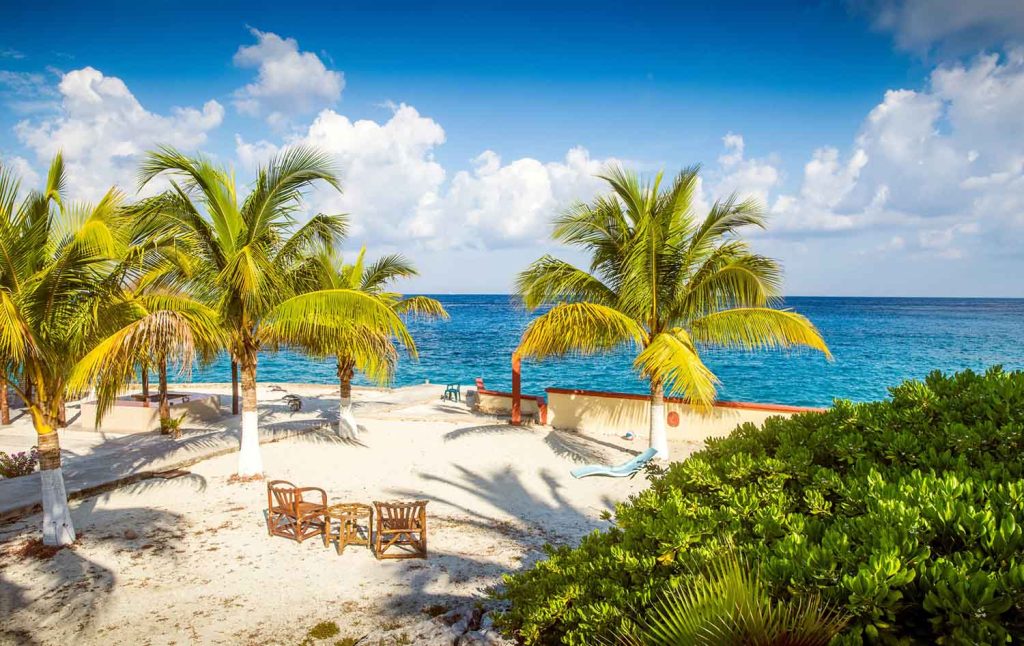
For many residents of Washington County, the idea of becoming a certified diver feels like a logistical nightmare. Living in the heart of the high desert, surrounded by the striking red cliffs of St. George, the nearest ocean is hundreds of miles away. Traditionally, this meant that aspiring divers had to save up for an expensive trip to Florida or Mexico just to complete their initial training.
However, the barrier to entry has shifted. Modern certification paths allow enthusiasts to complete the most tedious and time-consuming portions of their training locally, transforming the desert into a launchpad for underwater exploration.
The Logistics of Inland Dive Training
The primary hurdle for any new diver is the “knowledge development” phase. This involves learning physics, physiology, and safety protocols. In the past, this required sitting in a classroom for dozens of hours. Today, the industry has shifted toward a blended learning model.
By utilizing e-learning, students can digest the theoretical material at their own pace. This is particularly beneficial for working professionals in St. George who cannot commit to a rigid classroom schedule. Once the theory is mastered, the focus shifts to confined water dives.
These pool sessions are where the “muscle memory” of diving is built. Rather than just discussing safety, students perform rigorous drills: the regulator recovery (reaching behind the shoulder to find a dislodged second stage), the mask clear (exhaling through the nose to push water out of a flooded mask), and the “out-of-air” simulation where a diver must successfully share air from a buddy’s octopus. For those seeking scuba diving St George Utah resources, this local phase is where the foundation of safety is built.
Managing the Transition to Open Water
The final step of certification is the open water check-out dive. While St. George doesn’t have a coral reef in its backyard, the proximity to various sites in the Intermountain West makes this transition manageable.
Choosing the Right Environment
Many Southern Utah divers head toward the colder, deeper waters of the Wasatch Front or the specialized environments of Nevada and Arizona. Common check-out locations include the quarries of Northern Utah or the deep reservoirs of the Intermountain West. For a beginner, the ideal open water site offers:
- Moderate Visibility: Enough to see the instructor and dive buddy clearly.
- Manageable Temperature: Using appropriate exposure suits (wetsuits) to prevent hypothermia.
- Low Current: Ensuring the diver can focus on buoyancy rather than fighting a tide.
The Psychological Shift
Moving from a pool to a lake is a significant mental leap. In a pool, the water is chemically treated and temperature-controlled. In a Utah lake, you will encounter thermoclines—sharp, sudden drops in temperature as you descend—that can cause a diver to gasp or lose focus. Dealing with these temperature shifts and the presence of silt or aquatic vegetation allows divers to experience real-world variables in a familiar region before they ever step foot on a plane to a tropical destination.
Equipment Strategy for the Desert Diver
One of the most common mistakes new divers make is over-investing in gear before they know their preferences. Scuba equipment is highly personal; a regulator that feels comfortable for one person may feel cumbersome to another.
The Rental vs. Purchase Balance
For the first few certifications, renting is the most practical route. This allows the student to feel the difference between various BCD (Buoyancy Control Device) styles. For example, a jacket-style BCD wraps around the torso and provides a feeling of stability for beginners, whereas a back-inflate BCD keeps the chest clear and allows for a more horizontal “trim” in the water.
Once certified, the priority for purchasing should be “personal” gear:
- The Mask: A poor fit leads to leaks and frustration. A custom-fitted mask is the single most important piece of personal gear.
- The Computer: Dive computers are essential for safety and tracking decompression limits. Owning your own ensures you are familiar with the interface.
- Exposure Suits: Depending on where you plan to dive, a 3mm or 5mm wetsuit is a necessary investment for thermal protection.
Planning Your First Tropical Excursion
Once the certification is in hand, the goal for most Southern Utah divers is to reach the ocean. However, the transition from a lake to a reef requires a bit of planning to ensure safety and enjoyment.
Divers should consider a “refresher” dive if a significant amount of time has passed since their certification. Even a single session in a pool can shake off the rust and rebuild confidence in buoyancy control. Additionally, researching the specific conditions of the destination—such as the presence of strong currents in the Caribbean or the colder waters of the Pacific Northwest—helps in packing the right gear.
To ensure a successful first trip, create a comprehensive packing checklist that includes not just your gear, but also “save-a-dive” kits (containing spare O-rings, mask straps, and fin straps). Additionally, joining a local dive club in the St. George area can connect you with experienced travel partners who have already navigated the logistics of transporting gear from the desert to the coast.
You may also like
-
How St George Professionals Can Reverse Desk-Related Chronic Tension
-
How Southern Utah Homeowners Choose Flooring That Withstands High Heat and Red Dust
-
How Mid-Career Professionals Can Bridge the Gap to a Comfortable Retirement
-
How Families in the Grand Strand Balance Career Demands with Senior Care
-
How Southern Utah Homeowners Reclaim Square Footage During Seasonal Transitions