
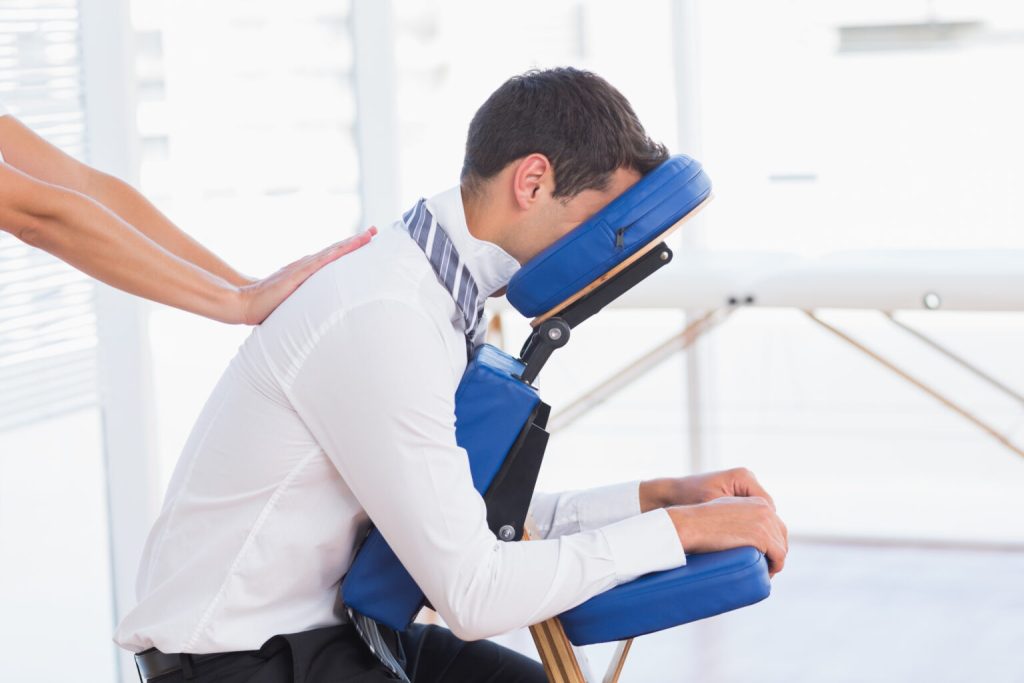
For many professionals working in the St George area, the workday doesn’t end when the laptop closes. The physical toll of eight to ten hours spent hunched over a keyboard—often referred to as “tech neck”—creates a cascade of musculoskeletal issues that sleep alone cannot fix. When the upper trapezius muscles tighten and the chest compresses, the result is more than just a stiff neck; it is a decline in cognitive focus, sleep quality, and overall daily productivity.
Addressing this chronic tension requires a shift from viewing bodywork as a luxury to treating it as a necessary maintenance protocol for the modern worker.
The Physiology of the “Corporate Slump”
The human body is not designed to hold a static, forward-leaning position for hours on end. When you lean toward a monitor, your head—which weighs roughly 10 to 12 pounds—effectively triples in weight relative to the strain on your cervical spine. This puts immense pressure on the levator scapulae and rhomboids, forcing these muscles to work overtime just to keep your head upright.
Over time, this leads to a state of hypertonicity, where the muscles remain partially contracted even when you are resting. This is why many professionals wake up feeling as though they never actually relaxed. The tension migrates from the shoulders into the base of the skull, often triggering tension-type headaches that mimic migraines and disrupt the ability to concentrate on complex tasks.
Integrating Targeted Recovery into a Busy Schedule
The primary barrier to physical recovery for high-performers is the perception of time. However, ignoring chronic tension usually leads to a “productivity cliff,” where the pain becomes so distracting that work efficiency plummets. To avoid this, a proactive approach to physical wellness is essential.
Strategic Stretching and Ergonomics
While professional intervention is key, daily habits provide the foundation. Adjusting your monitor to eye level and implementing a “20-minute reset”—where you stand and retract your shoulder blades—can prevent the tension from compounding. However, stretching often only addresses the surface level of the problem, leaving the deeper knots (trigger points) untouched.
The Role of Professional Therapy
For those dealing with deep-seated knots and chronic stiffness, manual therapy is the most effective route to systemic relief. A professional St George massage can target the specific fascia and muscle groups that have shortened due to poor posture. Unlike a general relaxation session, therapeutic work focuses on releasing the adhesions in the upper back and neck, effectively “resetting” the muscle length and improving blood flow to oxygen-starved tissues.
Measuring the Impact on Work Performance
The correlation between physical release and mental clarity is well-documented. When the body is in a state of chronic tension, the nervous system remains in a low-level “fight or flight” mode. This increases cortisol levels and makes it harder to enter a state of deep work or flow.
By incorporating regular bodywork, professionals typically notice three specific outcomes:
- Reduced Cognitive Fatigue: By eliminating the constant “background noise” of a dull ache in the neck or shoulders, the brain can allocate more energy to problem-solving and strategic thinking.
- Improved Sleep Architecture: Releasing the tension in the upper body allows for better respiratory function and a more relaxed nervous system, leading to deeper REM sleep and faster morning recovery.
- Increased Range of Motion: Restoring mobility to the thoracic spine prevents the long-term risk of permanent postural misalignment, ensuring that the physical cost of a career doesn’t lead to permanent disability.
Building a Sustainable Maintenance Plan
The mistake most professionals make is waiting until they are in acute pain to seek help. By the time a tension headache is unbearable or a shoulder is “locked,” the muscle has already been in a state of dysfunction for weeks.
A sustainable plan involves moving from a reactive model to a preventative one. This means scheduling maintenance sessions every two to four weeks, depending on the intensity of the workload. Treating physical recovery with the same discipline as a quarterly business review ensures that the body can keep pace with the demands of a high-pressure career. When the physical structure is supported, the mental capacity to perform expands, turning physical wellness into a competitive advantage in the professional landscape.
You may also like
-
Red Rocks to Deep Blue: Mastering Scuba Certification in Southern Utah
-
How Southern Utah Homeowners Choose Flooring That Withstands High Heat and Red Dust
-
How Mid-Career Professionals Can Bridge the Gap to a Comfortable Retirement
-
How Families in the Grand Strand Balance Career Demands with Senior Care
-
How Southern Utah Homeowners Reclaim Square Footage During Seasonal Transitions