
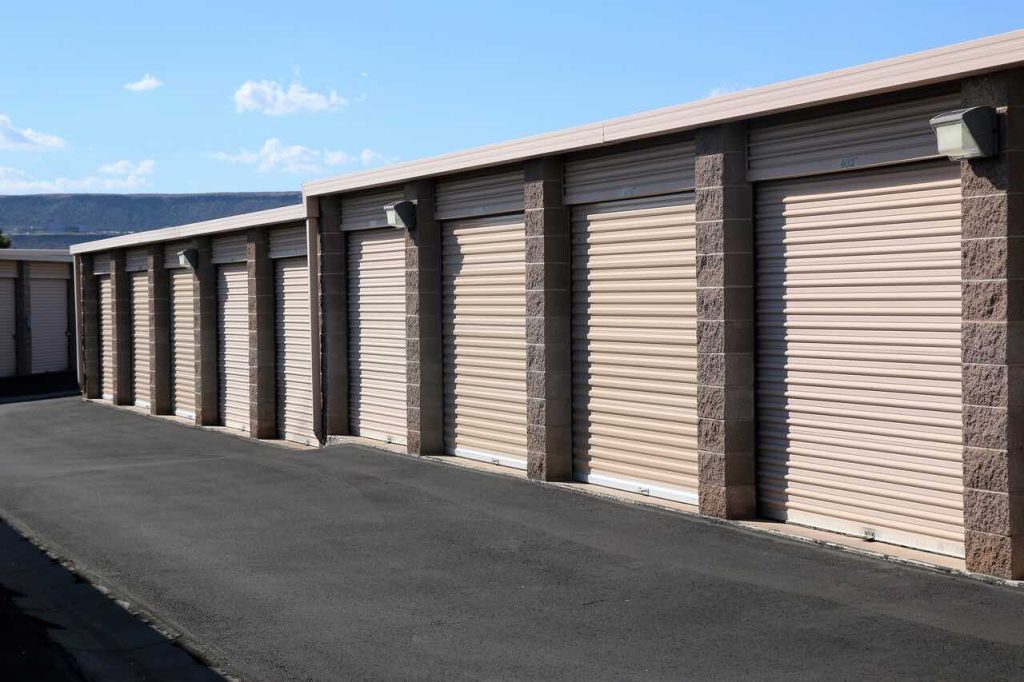
For many residents in Washington County, the shift between seasons brings more than just a change in temperature; it brings a logistical headache. Whether it is swapping out heavy winter gear for summer hiking equipment or managing the overflow of furniture during a home renovation, the physical limitations of a standard garage or attic often lead to cluttered living spaces.
When a home becomes a catchment area for items that are only used twice a year, the resulting chaos impacts more than just the aesthetics of a room. It creates mental friction and reduces the functional utility of the property. For homeowners and small business owners in the region, the solution isn’t necessarily a costly home addition, but a strategic approach to off-site space management.
Solving the “Seasonal Swap” Dilemma
The primary challenge for most households is the cyclical nature of belongings. Outdoor furniture, holiday decorations, and heavy winter apparel take up significant volume but offer zero value for six months of the year. Storing these items in a bedroom guest room or a crowded garage often leads to damage from dust, moisture, or accidental impact.
By moving these items into professional storage units St George, homeowners can transform their garages back into functional workspaces or parking areas. The goal is to create a “buffer zone”—a place where items can exist safely without infringing on the daily flow of the home.
Organizing for Accessibility
The biggest mistake people make when moving items off-site is treating the unit like a black hole. To avoid spending hours digging through boxes later, a systematic layout is essential:
- The Perimeter Strategy: Place long-term items (like holiday lights or archival documents) against the back and side walls.
- The Center Aisle: Leave a clear path down the middle of the unit to ensure you can reach the back without unloading the entire space.
- Inventory Mapping: Use a simple notebook or digital list to label exactly which box contains which items and where that box is located within the unit.
Managing Business Inventory Without a Commercial Lease
Beyond residential use, many local entrepreneurs and freelancers struggle with the overhead costs of traditional commercial real estate. For a growing e-commerce business or a contractor with bulky equipment, renting a full warehouse is often financially unsustainable in the early stages.
Using a secure storage unit allows a business to scale its inventory without committing to a multi-year commercial lease. This approach provides a controlled environment to house stock, tools, and archives while keeping the primary office or home workspace lean and professional.
Reducing Risk and Protecting Assets
For those storing high-value equipment or sensitive business documents, the environment is just as important as the lock on the door. In the desert climate of Southern Utah, extreme heat can warp plastics and degrade certain adhesives or electronics. When selecting a space, business owners should prioritize facilities that offer robust security measures and structural integrity to protect against the elements.
Maximizing Value During Life Transitions
Life transitions—such as downsizing, relocating, or renovating—are the most common triggers for seeking extra space. During a renovation, the risk of dust and paint splatter on furniture is high. Moving these assets off-site not only protects the furniture but allows contractors to move more freely, often speeding up the renovation timeline.
For those in the process of moving, a storage unit acts as a staging area. Instead of rushing to pack everything into a truck on a single day, homeowners can move non-essential items into storage first, reducing the stress of moving day and allowing for a more gradual transition into a new home.
Final Checklist for Efficient Storage
To get the most out of an external unit, consider these practical steps before moving in:
- Purge First: Never pay to store items you no longer need. Sort belongings into ‘keep’, ‘donate’, and ‘discard’ piles.
- Invest in Quality Containers: Plastic bins are superior to cardboard in the long run, as they protect against pests and provide better stacking stability.
- Use Vertical Space: Utilize shelving units to maximize the height of the unit, preventing the “pile effect” where items at the bottom become crushed.
- Label All Sides: Label boxes on the sides rather than the tops so you can identify contents even when they are stacked.
You may also like
-
Red Rocks to Deep Blue: Mastering Scuba Certification in Southern Utah
-
How St George Professionals Can Reverse Desk-Related Chronic Tension
-
How Southern Utah Homeowners Choose Flooring That Withstands High Heat and Red Dust
-
How Mid-Career Professionals Can Bridge the Gap to a Comfortable Retirement
-
How Families in the Grand Strand Balance Career Demands with Senior Care