
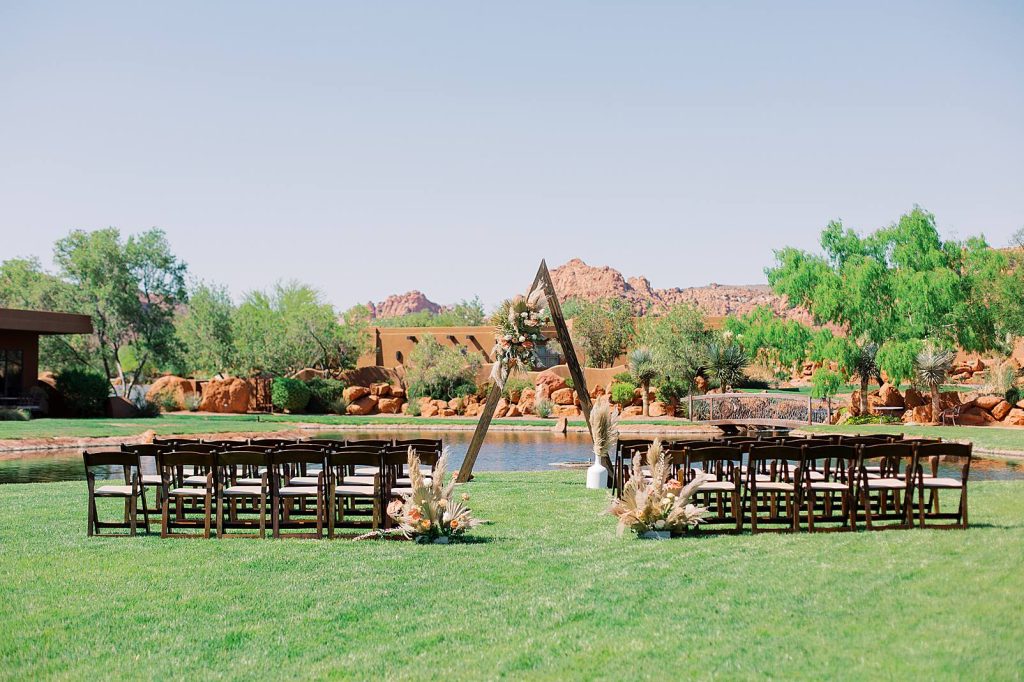
You have the venue booked, the dress is tailored, and the catering menu is set. Yet, many couples realize too late that a beautiful mountain vista or a rustic barn setting creates logistical gaps that a standard checklist doesn’t cover. To avoid a wedding day crisis, you need to account for the physical infrastructure that supports guest comfort in Utah’s volatile climate and varied terrain.
The items most often forgotten aren’t the obvious ones like chairs or tables, but the “support” rentals—the things that manage temperature, lighting, and accessibility. By identifying these gaps now, you ensure your guests remain comfortable regardless of a sudden alpine chill or a dusty trailhead walk.
Managing Temperature Fluctuations in High-Altitude Settings
Utah’s geography means temperature swings are aggressive, even in the height of summer. A ceremony at 6,000 feet can feel like a sauna at 2:00 PM and a refrigerator by 6:00 PM. Couples often rent a tent for shade but forget the climate control necessary to make that tent habitable. Industrial fans and portable heaters are not luxuries; they are essential tools for preventing guest fatigue and irritability.
Consider a wedding in the Wasatch Mountains. While the afternoon sun is bright, the moment the sun dips behind the peaks, the temperature drops precipitously. If you have not secured high-output patio heaters or propane warmth stations, your guests will spend the reception huddled in their coats rather than on the dance floor. To ensure these operate correctly, verify the fuel source and rent enough backup propane tanks to last through the final dance.
Another operational example is the “cooling station.” In the desert heat of Southern Utah, simply having water is not enough. Renting misting fans or high-velocity air movers for the cocktail hour prevents heat exhaustion and keeps the bridal party from wilting before the photos are finished. These items bridge the gap between a beautiful location and a functional event.
Solving the “Last Mile” Accessibility Challenge
Many of Utah’s most scenic venues are “semi-rustic,” meaning they have a paved parking lot but a dirt or grass path leading to the actual altar. This is where the “last mile” problem occurs. Couples frequently overlook the need for temporary flooring or specialized walkways to protect guests from mud, dust, or uneven terrain.
Walking across a damp meadow in stilettos is an impossible task. To solve this, renting 4′ x 8′ interlocking plastic tiles or heavy-duty HDPE walkway mats prevents guests from sinking into the earth. For guests with limited mobility, renting a portable aluminum ramp ensures that wheelchairs and walkers can transition from gravel to grass without tipping.
Beyond the paths, think about the transition from the ceremony to the reception. If there is a significant distance between the two, renting a shuttle or specialized transport is common, but renting the infrastructure for the waiting area—such as 30-inch high cocktail tables and reinforced folding benches—is often missed. Without these, guests are left standing in the sun or sitting on the ground, which prevents the bridal party from maintaining a tight schedule because guests are congregating in the parking lot rather than moving toward the reception. When sourcing utah wedding rentals, prioritizing these functional elements prevents logistical bottlenecks.
Lighting the Gaps Between Ceremony and Celebration
Lighting is often viewed as a decorative element, but in rural or outdoor Utah venues, it is a safety requirement. Many couples rent string lights for the “vibe” but forget the functional lighting needed for transit. Once the sun sets over the mountains, a dark path to the restroom or the parking lot becomes a liability.
Operational examples of necessary functional lighting include 36-inch LED uplighting stakes for perimeter markers and 5000-lumen portable floodlights for the catering prep area. If your caterer is working out of a tent without built-in electricity, they cannot safely prepare food in the dark. Providing them with professional-grade lighting rentals prevents delays in the dinner service. To avoid power surges, ensure you rent 12-gauge outdoor-rated extension cords and weather-proof power distribution boxes.
Additionally, consider the “dark zones” of your venue. A beautiful grove of aspen trees is stunning by day, but treacherous by night. Renting cordless LED lanterns or 6-foot pathway torches ensures that guests can navigate the space without needing to use their phone flashlights, which disrupts the romantic atmosphere of the evening. Strategically placing these every 10 to 15 feet along high-traffic walkways prevents twisted ankles and ensures guests reach their vehicles safely without requiring staff to escort them in groups.
The Hidden Infrastructure of Guest Comfort
The difference between a good wedding and a great one is often found in the details that guests don’t notice until they are missing. One of the most overlooked categories is the “comfort station.” This includes rentals that address the immediate physical needs of the guests, such as high-quality linens for wind protection or specialized furniture for lounging.
For instance, if you are hosting an outdoor reception, the wind can be a constant factor. Using 20lb cast-iron table weights or heavy-duty clips for polyester linens prevents tablecloths from flying away and exposing food. More importantly, renting a variety of seating—not just standard banquet chairs—allows guests to relax. Adding a few rental lounge sets, such as 3-seater upholstered sofas and 36-inch mahogany coffee tables, creates a designated area for older guests to rest away from the noise of the DJ.
Another frequently missed item is the professional-grade beverage station. While the bar is usually covered, the water station often is not. Renting 5-gallon insulated beverage dispensers and 100-quart high-capacity ice chests ensures that guests stay hydrated without the unsightly presence of plastic coolers. These additions prevent guests from crowding the main bar just for water, which keeps the beverage line moving and reduces wait times for cocktails.
Coordinating Logistics for Remote Venue Setups
When dealing with Utah’s remote venues, the logistics of “getting things there” often overshadow the “what to rent.” However, the equipment used to move and hold items is just as important as the items themselves. Couples often forget to rent the utility items that make a remote setup possible, such as heavy-duty carts, cable protectors, and power distribution boxes.
For example, if you are placing a sound system or a lighting rig in the middle of a field, you will have cables running across the grass. Renting 5-foot heavy-duty rubber cable ramps prevents guests from tripping and protects the 12-gauge power lines from being crushed by foot traffic. Additionally, renting a heavy-duty 1,000lb capacity utility cart allows the setup crew to move 10-foot tables and stacks of chairs across uneven terrain without damaging the venue’s landscape. Furthermore, consider the waste management aspect. In a remote mountain setting, a few small trash cans are insufficient. Renting 55-gallon industrial waste receptacles with heavy-duty liners and ensuring they are strategically placed every 50 feet in high-traffic areas prevents the venue from looking cluttered. When the infrastructure is handled professionally, it prevents the unsightly accumulation of napkins and plastic cups on the grass, ensuring the venue remains pristine for post-event photos.
You may also like
-
How Do Preserved Floral Arrangements Compare to Fresh Flowers
-
Most Beautiful Looking Anniversary Decoration In India
-
Preserving Tradition, Embracing Diversity: Yerevan’s Cultural Melting Pot of Events
-
Marketing Tips to Put Your Wedding Planning Business on the Map
-
Balloon Decoration in Singapore For Unforgettable Events