
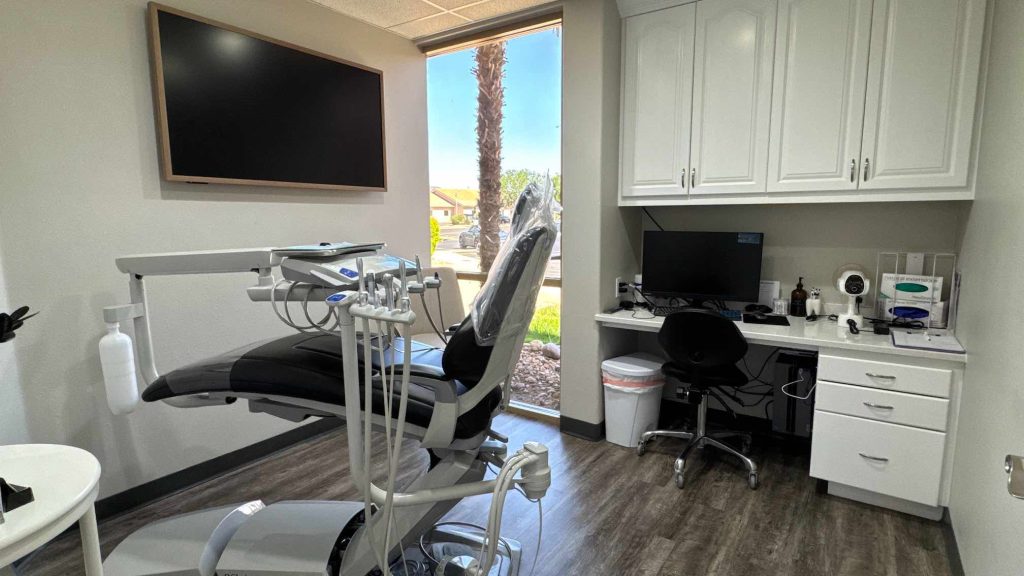
Choosing a dentist is not a decision you make for a single appointment. It is a decision that impacts the long-term health, comfort, and well-being of every person in your household. For parents, the search involves balancing the needs of a toddler experiencing their first tooth with the more complex restorative needs of an aging grandparent.
A dental provider serves as a primary healthcare partner. When you find the right fit, you aren’t just finding someone to clean teeth; you are finding a professional who understands your family’s medical history, respects your budget, and provides a sense of security during stressful procedures.
Establishing a Foundation of Preventive Care
The primary goal of any dental visit should be prevention. A high-quality dental provider focuses heavily on education and early intervention to prevent minor issues from becoming painful, expensive emergencies.
When evaluating a potential clinic, observe how much emphasis they place on preventive measures. Do they talk about nutrition, flossing techniques, and the impact of sugar on enamel? A provider who prioritizes education empowers your family to take control of their oral hygiene at home.
The Value of a “Dental Home”
The concept of a “dental home” is central to family dentistry. This refers to a continuous relationship with a single provider or practice over many years. This continuity allows the dentist to track the growth of a child’s jaw, the progression of gum disease in an adult, and the stability of dental implants in an older patient.
When a dentist knows your family’s history, they can spot subtle changes that an unfamiliar practitioner might miss. This longitudinal care creates a level of trust that is difficult to replicate with rotating specialists or clinics where you are merely a number in a database.
Evaluating the Range of Services Offered
Every family member has different clinical requirements. A child may only need fluoride treatments and sealants, while an adult may require crowns, bridges, or periodontal therapy.
Pediatric-Friendly Environments
For young children, the dental office can be a frightening place. Look for a provider that understands pediatric-specific needs. This includes a staff trained in “tell-show-do” techniques, which involve explaining every sensation before it happens to reduce fear.
A child-friendly office often features decorations, toys, or even specialized entertainment to distract younger patients. The goal is to foster a positive association with the dentist from the very first visit, preventing the development of dental phobia later in life.
Comprehensive Adult and Geriatric Care
As family members age, their dental needs shift toward restorative and maintenance-based care. Adults may require treatments for tooth decay, gum disease, or cosmetic enhancements like whitening and veneers.
For elderly family members, the focus might shift toward managing tooth loss through dentures or implants, or addressing the oral manifestations of systemic health issues like diabetes or osteoporosis. A versatile dental office can manage these diverse needs under one roof, simplifying the scheduling process for the entire family.
Prioritizing Convenience and Accessibility
In a busy household, logistics play a massive role in whether or not dental appointments actually happen. A provider located an hour away might be excellent, but if it is impossible to get there during a work week, the quality of care becomes secondary to the reality of your schedule.
When searching for a local dentist St George families can rely on, consider the proximity to your home, school, or workplace. The ease of commuting to an appointment significantly increases the likelihood of maintaining regular checkups.
Flexible Scheduling and Emergency Care
Dental emergencies—such as a knocked-out tooth, a broken crown, or sudden tooth pain—do not follow a convenient schedule. They often happen on Friday evenings or during the middle of the night.
Inquire about the office’s policy regarding emergency visits. Do they have a system for urgent appointments? Is there a way to reach a staff member after hours? Knowing that your provider can respond quickly to a crisis provides immense peace of mind for parents.
Additionally, look for offices that offer extended hours, such as early morning or late evening slots. This flexibility allows working professionals and students to attend appointments without sacrificing productivity or academic time.
Analyzing Technology and Clinical Standards
The field of dentistry has evolved rapidly over the last decade. Modern technology has made procedures less invasive, more accurate, and more comfortable.
Modern Diagnostic Tools
When touring a new office, take note of the equipment. Digital X-rays are a standard expectation, as they significantly reduce radiation exposure compared to traditional film. Intraoral cameras are another vital tool; they allow the dentist to show you exactly what they see on a screen, which is incredibly helpful for explaining the necessity of a specific treatment.
Furthermore, ask about the use of 3D imaging or digital impressions. Traditional putty impressions can be uncomfortable and messy. Digital scanners provide a much cleaner, more precise way to capture the geometry of your teeth, which is essential for the success of crowns and orthodontic appliances.
Communication, Trust, and Patient Rapport
The technical skill of a dentist is paramount, but their ability to communicate is what defines the patient experience. You need a provider who listens to your concerns and respects your autonomy.
A good dentist will never pressure you into a treatment you do not understand. Instead, they should present all available options, including the risks and benefits of each, along with the associated costs. This transparency is the bedrock of medical trust.
Managing Dental Anxiety
Dental anxiety is one of the most common reasons people avoid the dentist. A top-tier provider will have specific protocols for managing patients with high levels of fear.
Ask the office how they handle anxious patients. Do they offer sedation options, such as nitrous oxide (laughing gas)? Do they allow a family member to stay in the room during procedures? A compassionate staff that recognizes and validates your anxiety can make the difference between a successful treatment plan and a missed appointment.
Financial Transparency and Insurance Integration
Dental care can be a significant financial undertaking. Unexpectedly finding out that a necessary procedure is not covered by your insurance can cause immense stress.
Before committing to a provider, verify that they are in-network with your specific insurance plan. While out-of-network providers can still provide excellent care, staying in-network simplifies the billing process and reduces your out-of-pocket expenses.
Clear Billing and Payment Options
A professional dental office should be transparent about their fee schedule. They should be able to provide a clear estimate before any work begins. Furthermore, look for practices that offer various payment methods, including flexible financing or monthly payment plans. This allows families to manage larger restorative costs without disrupting their monthly household budgets.
Checking Reviews and Local Reputation
In the digital age, the experiences of previous patients are readily available. Online reviews can offer a glimpse into the “vibe” of an office, the punctuality of the staff, and the cleanliness of the facility.
However, do not rely solely on star ratings. Read the specific details in the comments. Look for patterns. Are people consistently praising the dentist’s bedside manner? Do they complain about long wait times in the lobby? A well-rounded view of the feedback will give you a more realistic expectation of the service you will receive.
Furthermore, do not underestimate the power of word-of-mouth. Asking recommendations from colleagues, friends, or local community groups can often yield more nuanced information than an anonymous online review.
Ensuring Safety and Sterilization Protocols
The safety of your family depends on the rigorous sterilization protocols maintained by the dental staff. This is a non-negotiable aspect of dental care.
During your first visit, observe the environment. Is the waiting room clean and well-maintained? Do the clinicians use fresh gloves and single-use barriers for every patient? While the heavy-duty sterilization happens in a dedicated area, the overall cleanliness of the visible clinic is a strong indicator of the standards being applied to the instruments used in your mouth.
Making the Final Decision
Choosing a dental care provider is a multi-layered process. It requires looking beyond the surface level of a clean office to evaluate the depth of their expertise, the breadth of their services, and the quality of their communication.
The ideal provider is one who treats your child with patience, your adult self with professionalism, and your elderly relatives with dignity. By prioritizing accessibility, technology, and transparency, you can find a dental home that supports your family’s oral health for a lifetime.
You may also like
-
Stop the Specialist Shuffle: How a Single Point of Contact Reduces Medical Errors
-
Stop Ignoring Leg Heaviness: How to Identify and Treat Chronic Venous Insufficiency
-
How St George Adults Stop Chronic Joint Pain Without Surgery or Pills
-
High‑Risk Skin Signs Southern Utah Residents Should Never Ignore
-
Ways St. George Residents Can Maintain a Flawless Manicure Between Appointments