
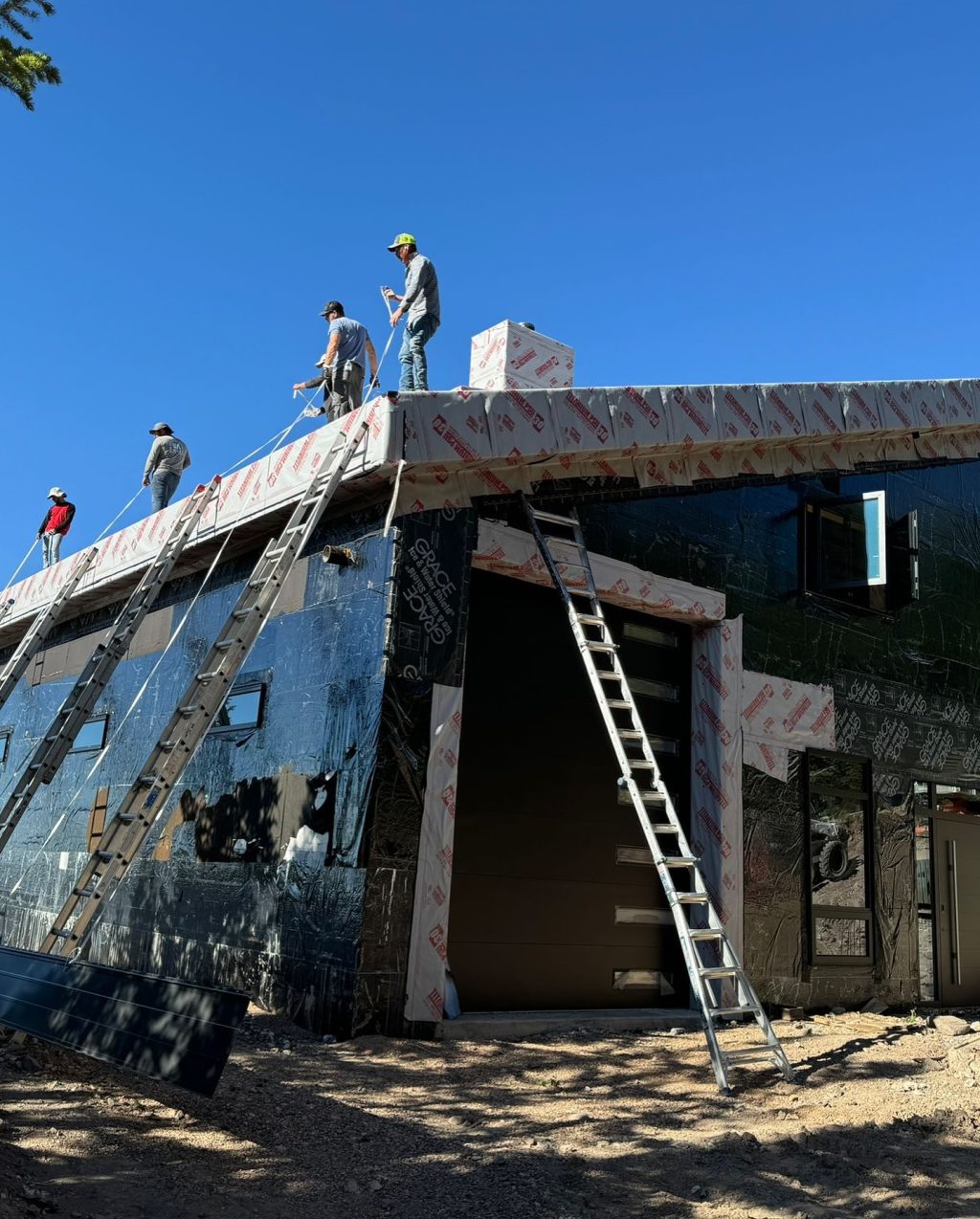
Owning a home in Southern Utah comes with a specific set of challenges. Between the intense summer UV radiation, the sudden monsoon downpours, and the occasional winter freeze, your roof takes a beating that homeowners in other climates rarely experience.
The difference between a $500 maintenance visit and a $15,000 full replacement often comes down to timing. Many homeowners ignore small signs of wear, assuming the roof is “fine” because there isn’t a visible leak in the living room. However, by the time water stains appear on your ceiling, the structural decking is often already compromised.
To protect your investment, you need to know exactly which warning signs require immediate professional intervention and which can wait until the next season.
The “Silent” Signs of Roof Failure
Most people look for holes or missing shingles, but the most expensive problems usually start in areas that are difficult to see.
Granule Loss in the Gutters
If you notice a sandy residue accumulating in your gutters, your shingles are shedding their protective layer. These ceramic-coated granules are designed to shield the asphalt from the harsh St. George sun.
Once these granules are gone, the UV rays bake the asphalt directly, making the shingles brittle and prone to cracking. If your gutters look like they are filled with coarse salt or colored sand, your roof’s lifespan is accelerating toward a premature end.
Curling and Cupping
Walk around the perimeter of your home and look at the shingle edges. You are looking for “cupping,” where the edges of the shingle curl upward, or “clawing,” where the center dips.
A visual measurement of more than a quarter-inch of lift at the edge is a critical failure point. This is common in high-heat environments where the shingles lose their elasticity. Curling shingles allow wind to catch the edges more easily, which leads to “blow-offs” during a summer monsoon.
The “Dark Spot” Phenomenon
While some discoloration is normal, localized dark patches—especially in valleys or around chimneys—often indicate moisture trapped beneath the surface. In the desert, this is frequently caused by improper ventilation.
When heat builds up in the attic and cannot escape, it “cooks” the shingles from the inside out. This thermal degradation creates soft spots in the underlayment that eventually allow water to seep through, even if the top layer looks intact.
How to Vet Local Contractors Without Getting Scammed
When you realize your roof needs work, the urgency can lead to poor decision-making. The “storm chasers” who arrive immediately after a heavy wind event often offer low prices but provide subpar materials and vanish before the warranty is ever needed.
To ensure you are getting a permanent fix rather than a temporary patch, look for these three criteria:
- Local Physical Presence: Ensure the company has a verifiable office in the region. A contractor who operates solely out of a truck is a risk.
- Specific Material Knowledge: Ask which shingles are best for the high-UV index of Southern Utah. A quality contractor will explain the difference between standard architectural shingles and those designed for extreme heat.
- Detailed Scope of Work: Avoid any quote that simply says “Replace Roof.” A professional quote should detail the underlayment type, the flashing method around vents, and the specific brand of nails used.
If you are seeing these red flags, the most cost-effective move is to consult experienced roofers St George who understand the local climate and building codes. Catching a leak at the flashing stage can save you from replacing the entire plywood deck of your home.
Maintenance Strategies for Desert Climates
Preventing a total failure requires a proactive approach rather than a reactive one. Because of the extreme temperature swings in Utah, your roof expands and contracts significantly throughout the year.
Clear the Debris
Overhanging trees or wind-blown debris can trap moisture against the shingles. In a dry climate, we often forget that a pile of leaves in a valley can hold enough moisture to rot the underlying wood over a few months. Clean your valleys and gutters at least twice a year.
Inspect the Flashing
The flashing—the metal strips around chimneys and vents—is the most common point of failure. The sealants used on flashing often dry out and crack under the desert sun. A simple bead of high-grade sealant applied every few years can prevent thousands of dollars in water damage to your interior walls.
Attic Ventilation Check
Your roof’s longevity is tied directly to your attic’s temperature. If your attic is significantly hotter than the outside air, you are essentially baking your shingles from underneath. Ensure your soffit vents are not blocked by insulation, allowing cool air to flow upward and out through the ridge vents.
By monitoring these specific indicators and maintaining a strict ventilation and cleaning schedule, you can extend the life of your roof by several years and avoid the financial shock of an emergency replacement.
You may also like
-
Red Rocks to Deep Blue: Mastering Scuba Certification in Southern Utah
-
How St George Professionals Can Reverse Desk-Related Chronic Tension
-
How Southern Utah Homeowners Choose Flooring That Withstands High Heat and Red Dust
-
How Mid-Career Professionals Can Bridge the Gap to a Comfortable Retirement
-
How Families in the Grand Strand Balance Career Demands with Senior Care