
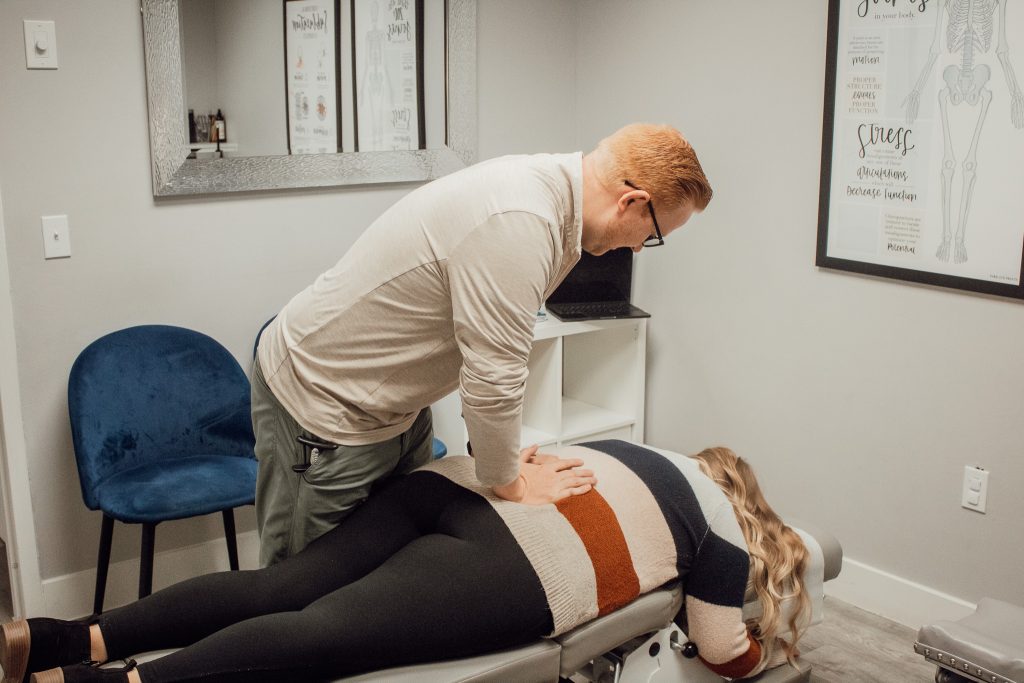
Waking up with a stiff lower back or a neck that refuses to turn fully isn’t just a nuisance; it is a barrier to living in Southern Utah. When pain becomes constant, the instinct is often to reach for ibuprofen or schedule surgery to “fix” the problem. However, these options frequently address the symptom rather than the source, leaving underlying structural issues untouched and the patient dependent on external interventions.
For those in St George who want to regain their mobility and return to hiking the Red Cliffs or playing with grandchildren, the goal is functional recovery. This means shifting focus from temporary pain suppression to the restoration of joint mechanics. By addressing spinal alignment and joint mobility, it is possible to break the cycle of chronic inflammation and regain a quality of life that doesn’t rely on a pharmacy.
Why Structural Alignment Beats Symptom Suppression
Most conventional pain management focuses on chemical intervention. While medication can dull sensation, it does nothing to correct a misplaced vertebrae or a joint that has lost its range of motion.
Consider the impact of the C1 vertebra, known as the Atlas. Because it supports the globe of the head and connects directly to the brainstem, even a slight misalignment here can disrupt the flow of neurological information and create significant tension in the suboccipital muscles. For a patient, this doesn’t just feel like “neck pain”—it manifests as a piercing tension headache that wraps around the skull, often accompanied by dizziness or light sensitivity.
Correcting this structural alignment removes the physical interference causing nerve irritation. When the spine is properly aligned, the nervous system communicates more efficiently between the brain and the body, allowing natural healing mechanisms to engage. Instead of forcing a chemical change to ignore pain, structural correction removes the trigger itself.
Consider a St George resident who spends hours gardening, only to find their lower back locking up every Friday. They might take a muscle relaxant to get through the weekend, but the underlying issue is often a repetitive strain that shifted a joint in the lumbar spine. By addressing that specific misalignment, the pressure on the nerve is relieved, and the muscle tension—a protective reaction to the joint issue—finally relaxes.
Distinguishing Between Temporary Relief and Long-Term Mobility
Many people confuse “relief” with “recovery.” Relief is the absence of pain for a few hours; recovery is the restoration of function. A massage might soothe a tight shoulder for an afternoon, and a steroid injection might numb a hip for a month, but neither changes how that joint moves during a walk through Snow Canyon State Park. True mobility requires both joint mobilization and soft tissue support.
Long-term wellness requires a strategy that stabilizes the body. This involves adjusting the joints and ensuring supporting muscles function correctly. When a joint is stuck, surrounding muscles often tighten to “splint” the area. Treating only the muscle leaves the joint stuck; treating only the joint without addressing muscle tension may allow the joint to slip back into dysfunctional patterns.
Imagine a local professional spending eight hours a day at a desk, resulting in chronic tension headaches. A heating pad provides temporary relief by increasing blood flow, but it doesn’t fix the forward-head posture compressing the cervical spine. A comprehensive approach corrects cervical alignment and provides exercises to strengthen neck muscles, ensuring the head stays balanced over the shoulders.
Identifying the Right Provider for Your Specific Pain
Not every practitioner approaches spinal health the same way. Some focus on a high-volume “crack and go” model, while others take an investigative approach to find the root cause of dysfunction. For those with chronic pain, the difference is between a temporary fix and a permanent solution. A quality provider should spend significant time evaluating movement patterns and medical history before performing an adjustment.
When searching for a St George chiropractor, look for a professional who emphasizes a personalized care plan over generic visit packages. You want a provider who explains the “why” behind each adjustment and monitors progress through objective measures, such as increased range of motion or decreased flare-ups. If a provider promises a “cure” in one visit or ignores lifestyle factors, they are likely treating the symptom rather than the person.
A high-quality intake process involves a practitioner who asks how pain affects your daily life rather than just where it hurts. Instead of a quick screen, they may perform orthopedic tests to rule out disc herniations or ligament tears, analyzing how you stand, walk, and sit, as these movements create the misalignment.
Integrating Lifestyle Changes to Prevent Pain Recurrence
The most effective adjustment cannot overcome twenty-four hours of poor posture and sedentary habits. To keep the spine aligned, office care must be paired with intentional home habits. Many people fail here, viewing the provider as a “mechanic” who fixes them rather than a coach who helps them maintain their health.
Ergonomics are critical. For St George residents, this might mean adjusting a vehicle seat for long commutes or changing how they lift equipment in the yard. Simple changes, such as using a lumbar support pillow or taking “movement breaks” every thirty minutes, reduce the cumulative load on the spine and prevent joints from drifting back into misaligned positions.
Take an active retiree who loves hiking but finds their knees and back aching afterward. While adjustments keep joints moving, the long-term solution involves pre-hike stretching and strength training for the core and glutes. By strengthening the muscles that support the spine, they create a “natural brace” that holds adjustments in place longer, allowing them to enjoy the outdoors without fear of a flare-up.
Establishing a Sustainable Maintenance Strategy
The goal of non-invasive pain relief is to move from “crisis care” to “wellness care.” Crisis care happens when you wait until you cannot move or sleep to seek help. Wellness care is proactive, maintaining alignment to prevent the crisis entirely.
For example, a patient who spends the summer months heavily hiking the Zion backcountry may experience cumulative “joint drift” due to uneven terrain and heavy packs. Rather than waiting for a debilitating flare-up in October, they schedule a quarterly “tune-up” specifically after high-impact seasons. This allows the practitioner to identify and correct minor misalignments in the sacroiliac (SI) joints or thoracic spine before those imbalances trigger a full-blown inflammatory crisis.
A sustainable strategy is based on individual needs. Some require frequent care due to their job or injury history, while others only need a few visits a year. The key is consistency. Maintaining spinal integrity reduces stress on the nervous system, often resulting in secondary benefits like better sleep, improved digestion, and higher energy levels.
View chiropractic care as a tool for longevity rather than a destination. The objective is to ensure joints remain lubricated and the spine flexible as you age. By prioritizing alignment now, you avoid the trajectory toward heavy medication or invasive surgeries, ensuring you remain an active participant in your own life for decades to come.
You may also like
-
Stop the Specialist Shuffle: How a Single Point of Contact Reduces Medical Errors
-
Stop Ignoring Leg Heaviness: How to Identify and Treat Chronic Venous Insufficiency
-
High‑Risk Skin Signs Southern Utah Residents Should Never Ignore
-
Ways St. George Residents Can Maintain a Flawless Manicure Between Appointments
-
Finding the Right Dental Care Provider for Your Entire Family